 By admin
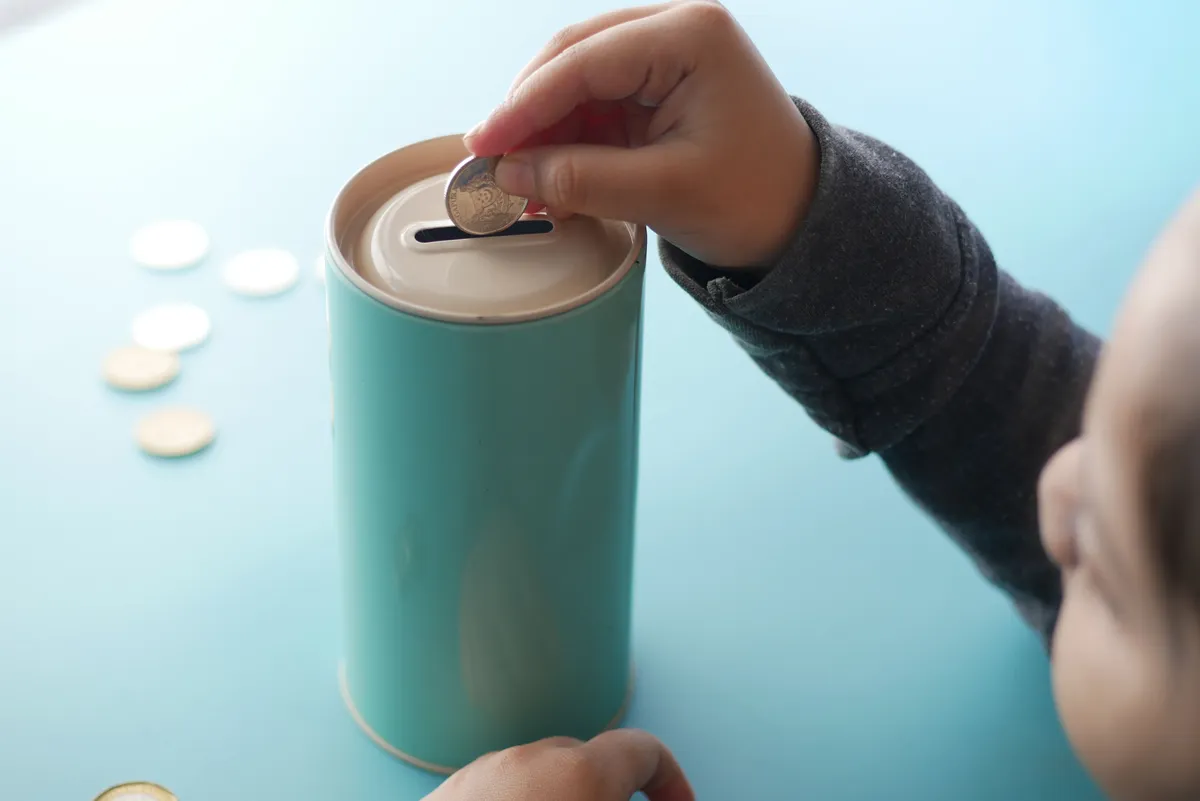
I never imagined that a family disagreement over a little girl’s savings would expose such a serious problem with the way some adults teach their children about right and wrong.
My six-year-old daughter, Elsie, had been working towards one special goal: buying herself a purple bicycle.
Rather than simply purchasing it for her, my husband and I encouraged her to save her own money. We promised to contribute the same amount she managed to collect, hoping to teach her patience and responsibility.
She took the challenge seriously.
Every birthday gift, allowance payment and little contribution went into a pink jar she had decorated herself. She even drew a bicycle on its lid.
Watching her count her savings every Sunday became something of a family tradition.
By the time she reached $86, she was already imagining herself riding her new bicycle.
Unfortunately, not everyone in the family appreciated her efforts.
My sister-in-law, Piper, had always been quick to defend her two sons, Owen and Mason, whenever they crossed boundaries. If they damaged something, she dismissed it as an accident. If they took another child’s belongings, she usually found an excuse.
I had tried speaking to her about it before, but nothing changed.
Then came the afternoon that destroyed what little patience I had left.
Piper visited our home with her boys. While the children played upstairs, I assumed everything was fine. But shortly after they left, Elsie approached me looking devastated.
She told me that her cousins had taken the money from her savings jar.
When I checked her bedroom, I found the container empty.
I immediately contacted Piper, expecting her to take the matter seriously. Instead, she laughed and told me that children should learn to share.
I reminded her that Elsie had specifically refused to let the boys touch her money.
Her response was even more upsetting. She suggested that I was raising a selfish child by teaching her to protect something that belonged to her.
I ended the conversation, furious but determined not to let the matter disappear.
My husband, Daniel, was equally upset. He contacted his sister and demanded that the $86 be returned. Piper promised to deal with it, but the days passed without any repayment.
Meanwhile, Elsie stopped talking about the bicycle.
That hurt more than the missing money itself.
We eventually decided to address the situation at Owen’s birthday celebration, where Piper’s husband, Matt, would also be present. We wanted him to understand what had happened rather than allowing Piper to dismiss everything as another disagreement between sisters-in-law.
When we arrived, Piper was proudly showing off a large present she had bought for Owen: an expensive gaming headset.
As Daniel approached her to ask about the missing savings, she insisted that the conversation could wait.
Then something unexpected happened.
During the birthday celebrations, Piper immediately stopped Mason from touching a present that belonged to his brother.
She firmly explained that Owen’s belongings were not his to take.
I couldn’t help pointing out the contradiction.
If Owen deserved to have his possessions respected, why had Elsie been denied the same consideration?
The room became uncomfortable, and Matt quickly asked what was going on.
We moved into the kitchen, where I explained everything.
At first, Piper repeated her familiar argument about sharing. But when Matt questioned the boys, the real story began to emerge.
Owen admitted that he and Mason had taken the money even though Elsie had told them not to.
Their mother had given them permission, telling them that their cousin’s parents could simply buy her another bicycle.
But there was an additional detail nobody had expected.
The boys explained that they had spent $36 on games after their mother took them shopping. The remaining $50 had been kept by Piper.
Matt was visibly shocked.
He turned to his wife and demanded to know why she had taken money from a six-year-old child and kept part of it for herself.
Piper tried to defend her actions, but the explanation was becoming increasingly difficult to justify.
Eventually, she opened her purse and handed over the missing $50. Matt added the remaining $36, restoring the full amount.
He also made it clear that the boys would have to repay what they had spent from their allowances.
For the first time, they were being held responsible rather than having their behaviour excused.
Before we left, Owen and Mason approached Elsie and apologized. She didn’t immediately respond, and we didn’t force her to accept their apologies.
Back at home, Elsie carefully counted all $86.
Her expression changed when she realized that her savings were finally complete again.
Daniel asked whether she still wanted the purple bicycle.
She smiled and said that she did. She had even decided what she wanted to buy first: a purple bell.
The incident changed our relationship with Piper. We made it clear that future visits would require appropriate boundaries, and that Elsie’s belongings and feelings would be respected.
Piper never offered the apology we had hoped for, but the experience taught us something important.
Teaching children to share is valuable. Teaching them that other people’s belongings, choices and boundaries matter is just as important.
And sometimes, the greatest lesson children need is not about giving things away. It is about understanding that what belongs to someone else should never be taken without permission.