 By admin
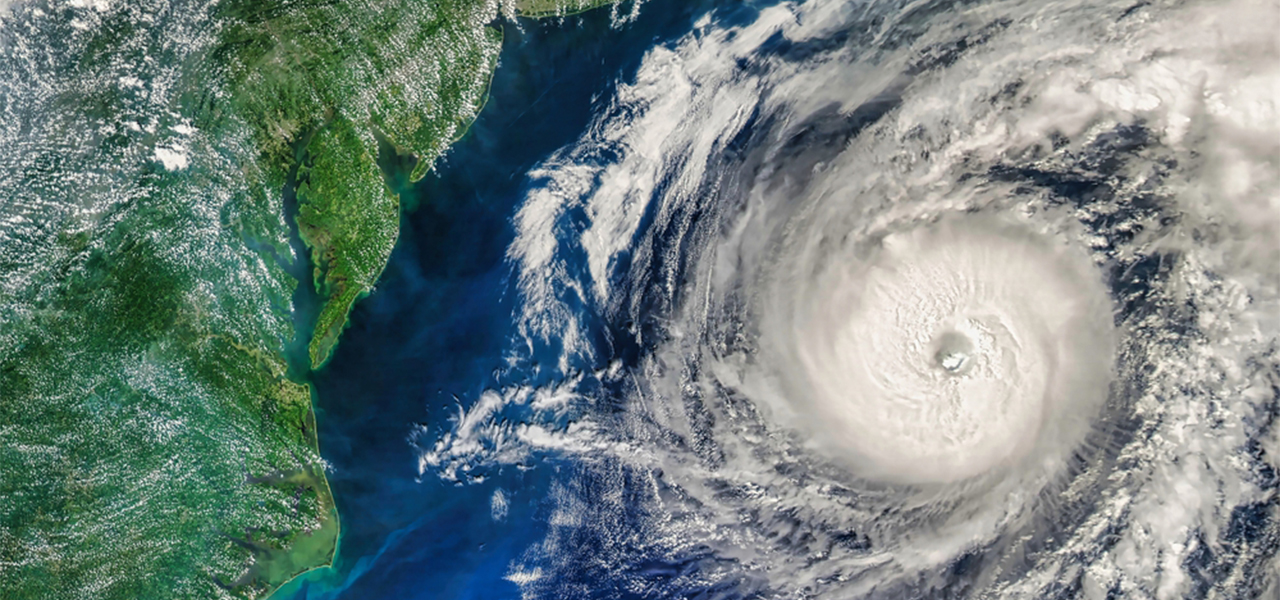
A rare atmospheric disturbance over the Arctic is attracting the attention of meteorologists, with experts warning that it could influence winter conditions across large parts of the Northern Hemisphere.
The polar vortex, a powerful circulation of winds that normally keeps the coldest Arctic air concentrated near the North Pole, has experienced an unusually early disruption this November.
At the same time, a potentially powerful El Niño is developing in the Pacific Ocean. Because this climate phenomenon often contributes to warmer conditions in certain regions, scientists are examining how the two competing influences could shape the coming winter.
A major change high above the Arctic
The polar vortex develops in the stratosphere during the colder months, generally between 10 and 30 miles above Earth’s surface.
Its strong winds help contain extremely cold air around the Arctic. However, when the circulation weakens significantly, Arctic air can sometimes move towards lower latitudes, increasing the possibility of severe cold spells.
This year’s situation has attracted particular attention because of a phenomenon known as sudden stratospheric warming.
During these events, temperatures high above the Arctic rise rapidly and the powerful winds surrounding the polar region can weaken or even reverse direction.
According to reports cited by CNN, a reversal of the stratospheric winds occurred on November 10, 2026, marking an exceptionally early disruption.
Why scientists are surprised
Major sudden stratospheric warming events are more commonly associated with the middle of winter, particularly January, February and March.
However, this year’s development has occurred much earlier than the usual seasonal pattern.
Meteorologist Andrea Lopez Lang of the University of Wisconsin-Madison has described the situation as exceptionally unusual.
Scientists are still investigating what triggered the disruption. One possible explanation involves El Niño, as some research has suggested that this climate pattern can influence the strength and stability of the polar vortex.
Nevertheless, atmospheric scientist Simon Lee of the University of St Andrews has cautioned that there is not yet enough evidence to establish a direct connection.
The unusually early timing also makes forecasting more difficult because there are relatively few historical events that scientists can use for comparison.
El Niño could complicate the winter forecast
El Niño develops when sea surface temperatures in parts of the tropical Pacific become warmer than average, affecting atmospheric circulation and weather patterns around the world.
Its influence can encourage milder winter conditions in certain parts of North America. However, a disrupted polar vortex can increase the likelihood of Arctic air travelling south.
This creates uncertainty about which atmospheric influence will have the greatest impact over the coming months.
NOAA research physicist Amy Butler has indicated that warmer-than-average conditions could be more likely across the northern United States during the coming month, partly reflecting El Niño’s influence.
However, other scientists warn that the polar vortex disruption could increase the risk of significant cold outbreaks in populated regions.
MIT climatologist Judah Cohen has told AFP that an early polar vortex breakdown can raise the potential for cold air to reach parts of North America, Europe and East Asia.
Could Europe experience a colder winter?
European weather patterns could also be affected if the atmospheric disruption influences the movement of Arctic air towards the continent.
Some regions could experience temporary periods of unusually low temperatures, while others may remain relatively mild.
For southeastern Europe and the Balkans, including North Macedonia, the impact will depend on how regional pressure systems and atmospheric circulation develop.
A weakened polar vortex does not automatically guarantee widespread snowfall, prolonged freezing temperatures or a harsh winter.
Scientists are watching what happens next
Meteorologists stress that the November disruption alone cannot determine what the entire winter will look like.
The effects of sudden stratospheric warming can take days or even several weeks to influence weather closer to the Earth’s surface. In some cases, the consequences are significant, while in others they remain relatively limited.
Scientists will therefore be watching closely to see whether the polar vortex continues to influence winter weather or whether El Niño and other atmospheric patterns become more dominant.
For now, the unusual combination has created one of the more interesting winter forecasting challenges in recent years.