 By admin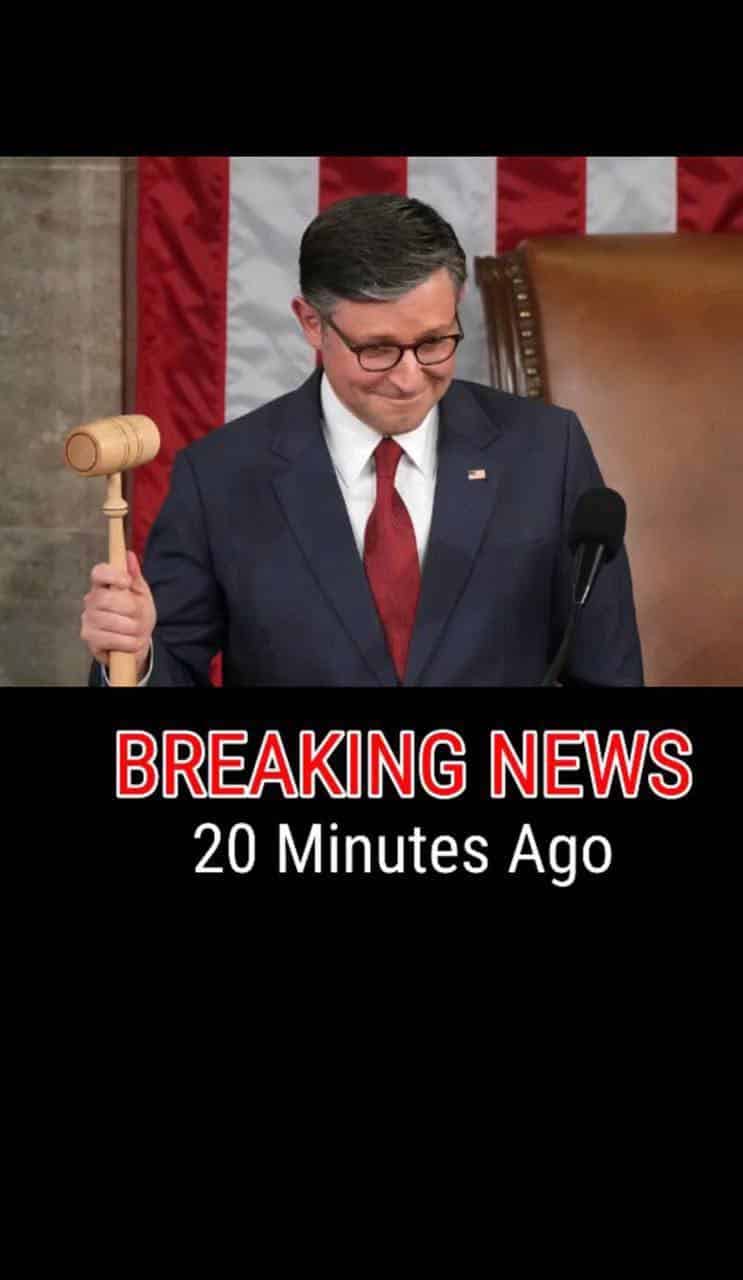
Inside the Healthcare Showdown
The confrontation unfolded behind closed doors — but its echoes are already shaping Washington’s next fight.
Speaker Mike Johnson says Democrats didn’t just oppose the Republican healthcare plan; they dismantled it. According to Johnson, negotiators quietly removed a provision he insists would have cut insurance premiums by nearly 13%, replacing it with language that protects the existing subsidy structure under the Affordable Care Act.
For Johnson, this wasn’t a mere policy edit — it was a statement of loyalty. He accuses Democrats of siding with major insurers instead of families now struggling with record-high premiums. “They stripped out the one part that helped real people,” he told reporters. “They chose the system over the citizen.”
The dispute lands at a volatile moment. Pandemic-era subsidies are set to expire December 31, threatening higher costs for millions just as lawmakers race to avert a government shutdown. Johnson argues that Washington’s default solution — more subsidies — only papers over the problem while deepening national dependence on corporate healthcare structures.
His “One Big Beautiful Bill Act” was pitched as an alternative: reforming market rules to lower prices without permanent public payouts. Its collapse has now become a political rallying cry.
“We’re coming back,” Johnson said. “Next time, it won’t just be a budget fight — it’ll be a choice between two philosophies: one that sends taxpayer money to insurance companies, and one that makes coverage affordable in the first place.”
The battle over that choice — subsidies or structural change — is quickly becoming more than a policy clash. It’s a test of whether either party can still claim to defend the household budget as fiercely as the political one.