 By admin
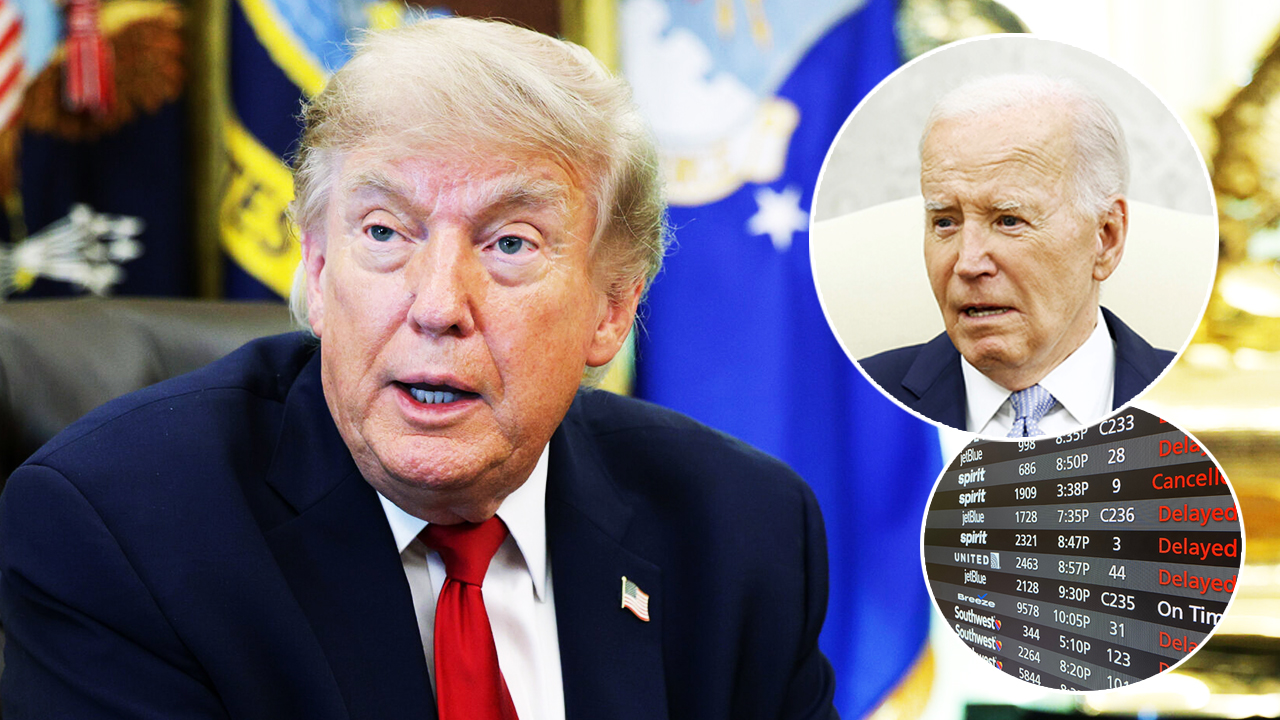
A major disruption to America’s aviation network has sparked a political confrontation, with President Donald Trump using the incident to criticize the previous administration and demand a massive investment in the country’s air traffic control infrastructure.
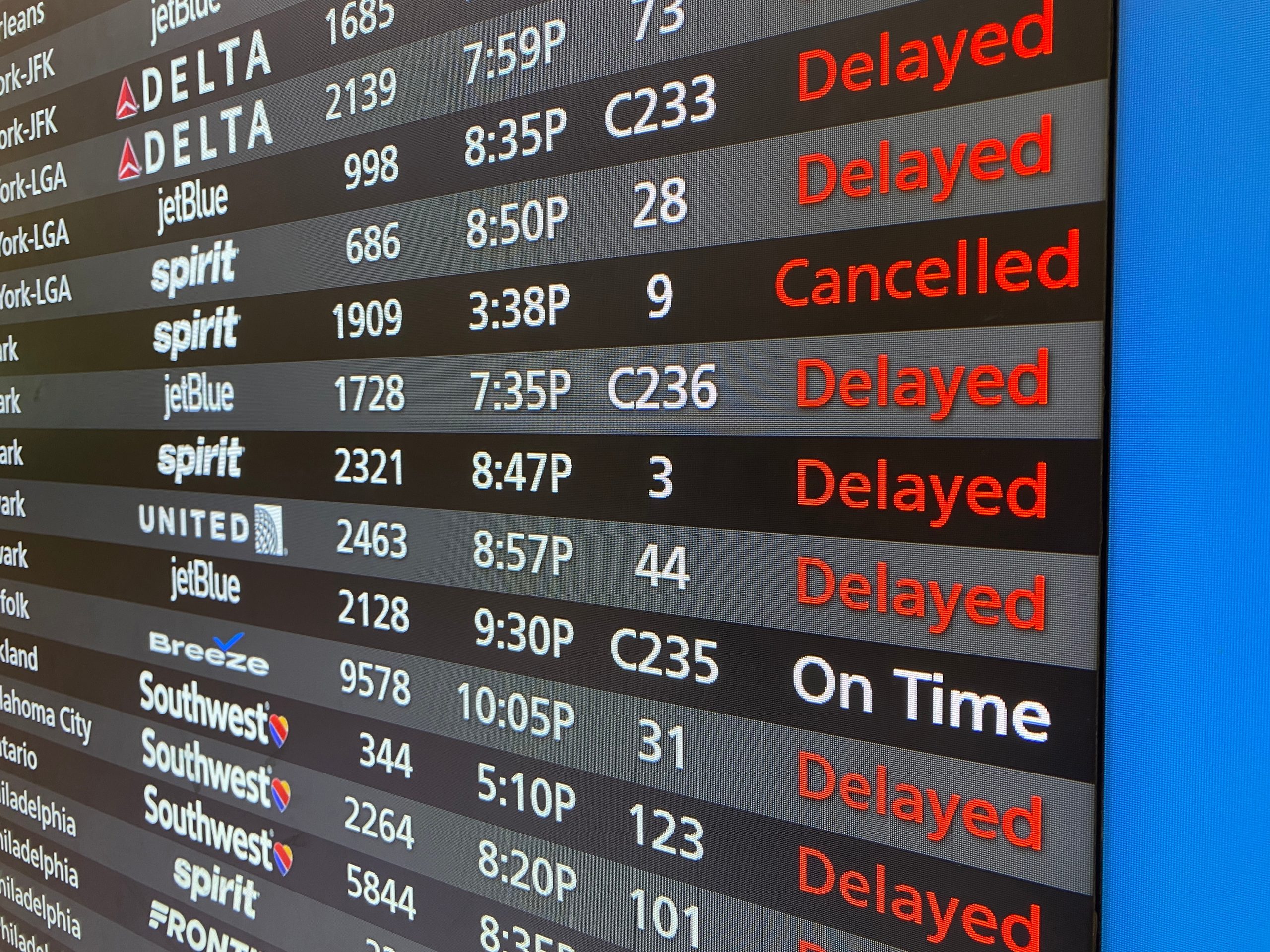
The controversy erupted after a technical breakdown forced the Federal Aviation Administration (FAA) to temporarily suspend departing flights nationwide. Airports experienced widespread disruption, airlines struggled to manage their schedules, and passengers faced lengthy delays and cancellations.
Trump initially stayed out of the public discussion while the situation unfolded. However, he eventually addressed the incident through Truth Social, arguing that America’s aviation infrastructure had been neglected during Joe Biden’s presidency.
Rather than treating the breakdown as an isolated technical problem, Trump presented it as evidence of a much larger issue involving decades-old technology and insufficient modernization.
A nationwide aviation crisis leaves passengers frustrated
Friday’s ground stop lasted more than four hours, creating one of the most significant interruptions to American air travel in recent decades.
FlightAware data cited in reports indicated that approximately 9,938 flights were canceled on Friday, with thousands of additional cancellations recorded the following day. The disruption reportedly affected more than 1.5 million travelers.
Although normal operations gradually resumed, the consequences continued as airlines worked to reorganize aircraft schedules and return displaced crews to their assigned flights.
The incident also raised questions about how a system responsible for coordinating thousands of aircraft could experience such widespread technical difficulties.
Trump demands answers and targets the previous administration
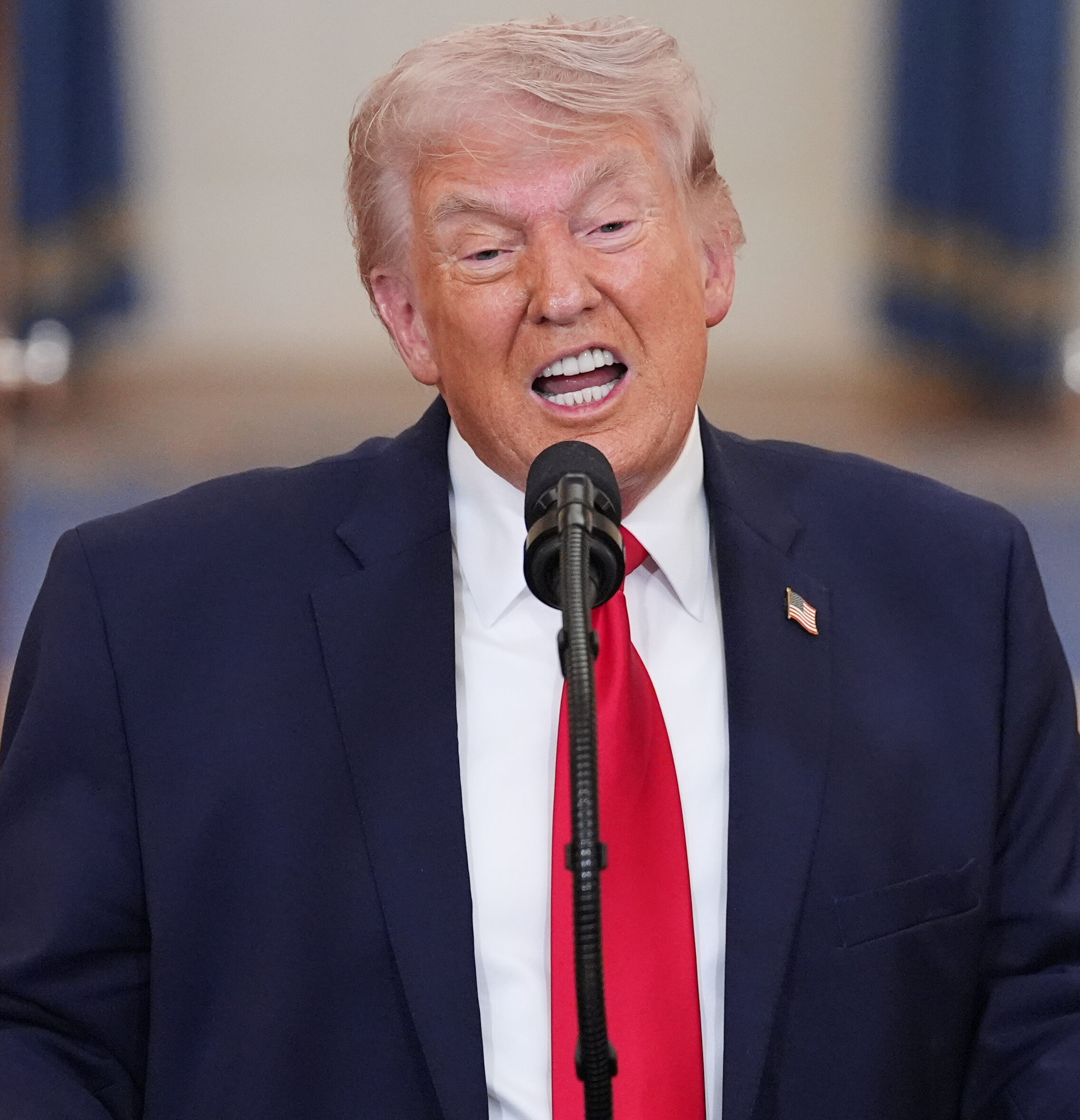
When Trump finally commented, his criticism focused heavily on the condition of the FAA under Biden.
He argued that substantial amounts of government money had been spent without delivering the improvements needed to protect the country’s aviation infrastructure.
The president also used the opportunity to renew his appeal to Congress, insisting that lawmakers must provide the financial support required to replace the outdated network.
In subsequent statements, Trump described the modernization project as something that should be completed through a coordinated effort rather than a series of smaller upgrades spread across several years.
He claimed that much of the technology currently supporting American air traffic control dates back approximately five decades.
Transportation officials reveal the technical problems
While Trump’s comments focused on political responsibility, Transportation Secretary Sean Duffy offered a technical explanation during a briefing with Homeland Security Secretary Markwayne Mullin.
According to Duffy, problems were detected at approximately 3:36 p.m., affecting radar and communication systems used by air traffic control facilities.
The situation was particularly concerning because more than 3,500 aircraft were reportedly airborne when the disruption began.
Duffy highlighted the age of several components supporting the FAA network, including switches, routers and older copper communication lines.
Officials also stated that investigators had found no evidence suggesting that a cyberattack caused the incident.
The explanation has brought renewed attention to the challenges of maintaining critical infrastructure while older technology is gradually replaced with modern systems.
Washington faces a major funding decision
The administration is now pushing Congress to support a modernization program estimated at around $50 billion.
Duffy has argued that replacing outdated equipment is essential to reducing the risk of similar incidents in the future.
The White House has also pointed to $12.5 billion already allocated toward rebuilding the system, while maintaining that additional financial support is necessary to complete the project.
The debate is not happening in isolation. America’s aviation network has experienced other major technical interruptions, including a January 2023 FAA outage that temporarily grounded departing flights nationwide after an issue involving the agency’s flight safety notification system.
That earlier incident demonstrated how dependent the aviation industry is on reliable digital infrastructure.
Now, with another nationwide disruption raising concerns about the system’s reliability, the Trump administration is facing pressure to turn its modernization promises into concrete results.
For millions of Americans who depend on air travel, the political arguments matter less than one basic expectation: being able to reach their destination without another nationwide aviation breakdown.