 By admin
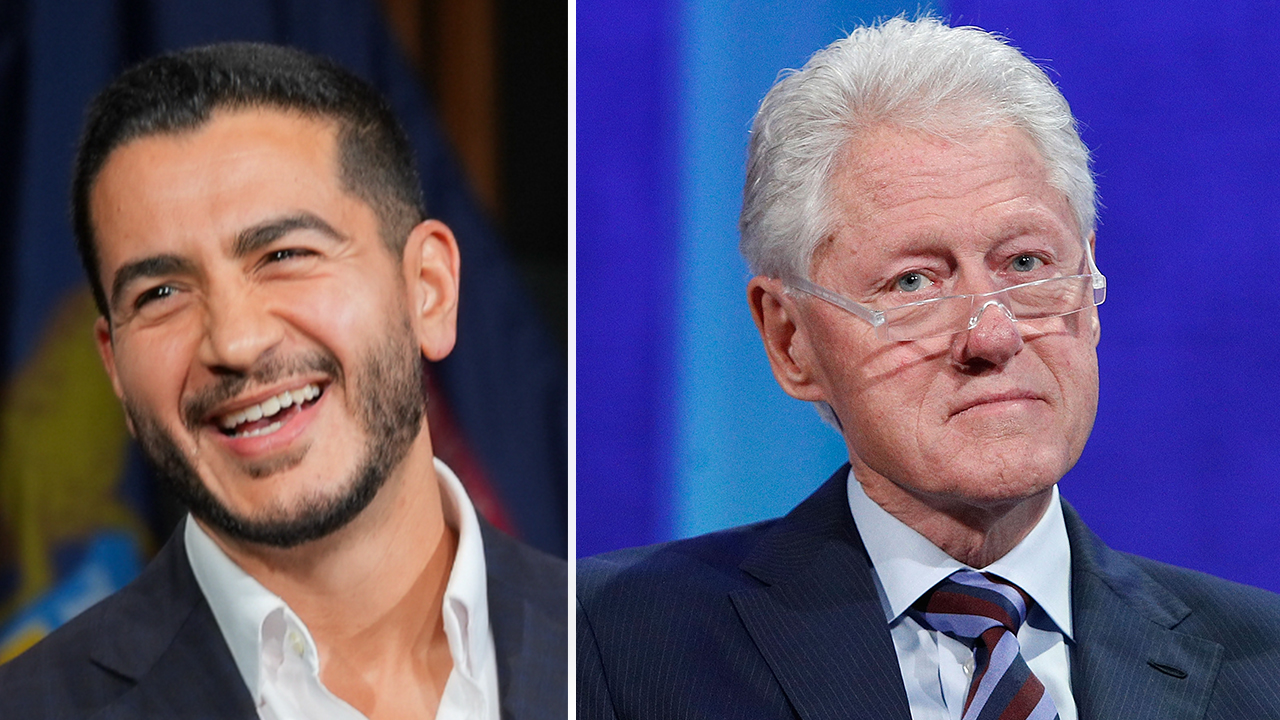
Bill Clinton Predicted Abdul El-Sayed’s Political Future Nearly 20 Years Ago, and a Rare Video Is Resurfacing
Abdul El-Sayed has made history after winning Michigan’s Senate race, becoming the first Muslim ever elected to the United States Senate. However, long before his historic victory, another former American president had already noticed something special about him.
A video from 2007, now resurfacing online, shows former President Bill Clinton praising El-Sayed following his speech at the University of Michigan’s commencement ceremony.
On November 3, 2026, 42-year-old El-Sayed defeated Republican candidate Mike Rogers in Michigan’s Senate race. According to the reported results, he received approximately 52.5% of the votes, compared with Rogers’ 45.5%.
With this victory, El-Sayed became the first Muslim elected to the U.S. Senate. He is expected to officially take office on January 3, 2027.
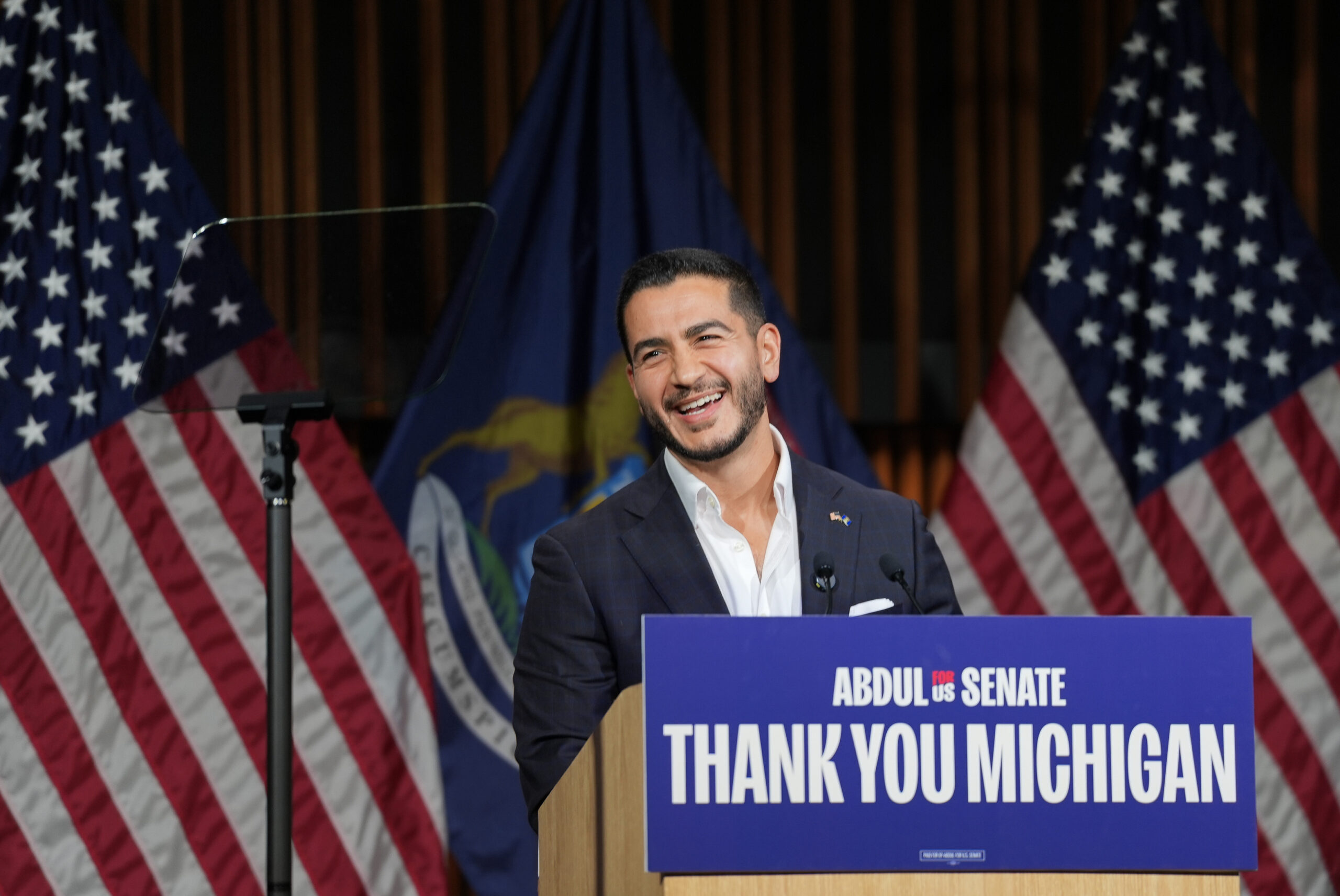
During his victory speech, El-Sayed thanked the supporters who had believed in his candidacy. He also addressed attempts to divide voters over his name and religious background.
He delivered a message about unity, emphasizing that America should be big enough for everyone, regardless of their background or faith.
The 2007 Video That Is Attracting Attention Again
The Michigan Senate race was among the closely watched contests in this year’s elections. Former President Barack Obama had publicly endorsed El-Sayed and attended a campaign rally in Detroit on October 24.
However, many years before Obama’s endorsement, another former president had already recognized his abilities.
In 2007, El-Sayed was a student at the University of Michigan and delivered the student commencement address during the graduation ceremony. The keynote speaker was former President Bill Clinton.
After El-Sayed finished speaking, Clinton decided to acknowledge him publicly during his own address.
“I don’t want to embarrass your senior speaker,” Clinton said. “But I wish every person in the world who believes that we are fated to have a clash of civilizations, and cannot reach across the religious divides, could have heard you speak today.”

Clinton then repeated that he wished people around the world could have heard the young student’s message.
What Bill Clinton Told Him After the Ceremony
Years later, El-Sayed recalled the encounter during a conversation with Jon Stewart on The Weekly Show.
He explained that Clinton approached him personally after the ceremony and asked him an unexpected question.
“Son, why are you going to medical school?” the former president reportedly asked.
El-Sayed recalled responding humorously that, as a Muslim with a Middle Eastern background, pursuing medicine was a familiar path for people like him.
But Clinton had another idea.
“That’s great, but you got a gift for communicating and maybe someday you’ll run for office,” he told him.
El-Sayed admitted that he did not take the suggestion particularly seriously at the time. He even responded that people with a name like his rarely had opportunities to enter politics.
Clinton reportedly thought about it for a moment before chuckling and walking away.
From Medical Student to a Historic Political Figure
At the time, El-Sayed was focused on building a career in medicine, without imagining that he would eventually enter the United States Senate.
He later became a Rhodes Scholar at the University of Oxford, where he earned a doctorate in public health. He subsequently obtained his medical degree from Columbia University in 2014.
His career continued in public service. From 2015 to 2017, he served as executive director of the Detroit Health Department.
In 2018, El-Sayed made his first major attempt at elected office when he ran in the Democratic primary for Michigan governor. However, he lost to Gretchen Whitmer.
This time, the outcome was different.
His victory over Mike Rogers placed his name in American political history, while the resurfaced commencement video brought renewed attention to a moment that now carries a very different meaning.

For Bill Clinton, the communication skills of a young university student were already worth recognizing. Nearly two decades later, his prediction about Abdul El-Sayed’s political future seems particularly remarkable.