 By admin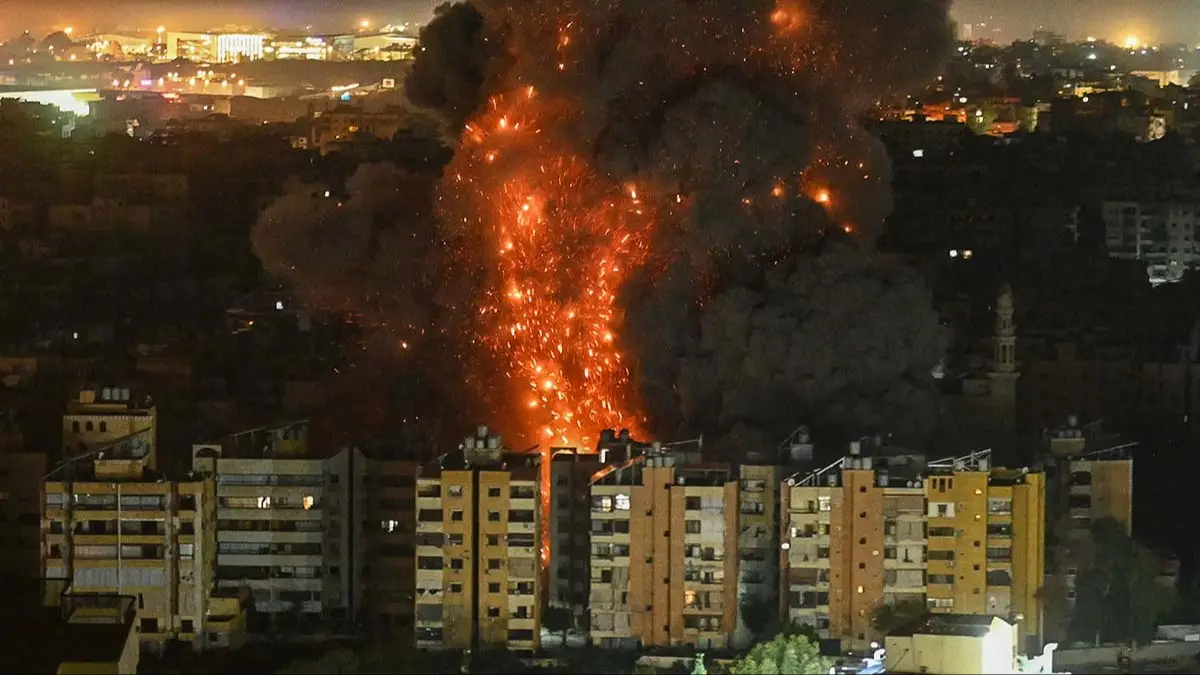
Iran has made a chilling threat to the countries across the globe that aren’t allied with Tehran.
Iran has been embroiled in conflict with the US and Israel for almost three weeks — and it doesn’t look like the war is ending anytime soon.
Tensions are higher than ever after Israel targeted the South Pars gas field on Wednesday (March 18), which is part of the world’s largest natural gas reserves. It is shared between Iran and Qatar and contains an estimated 1,800 trillion cubic feet of usable gas, says CNN.
President Trump has since addressed the matter and insisted that the US had no knowledge of Israel’s plans to attack the gas reserve.
In the ongoing conflict, Iran has largely focused its counter attacks in Israel and Gulf countries allied with America rather than on US soil, but this might all change in the near future.
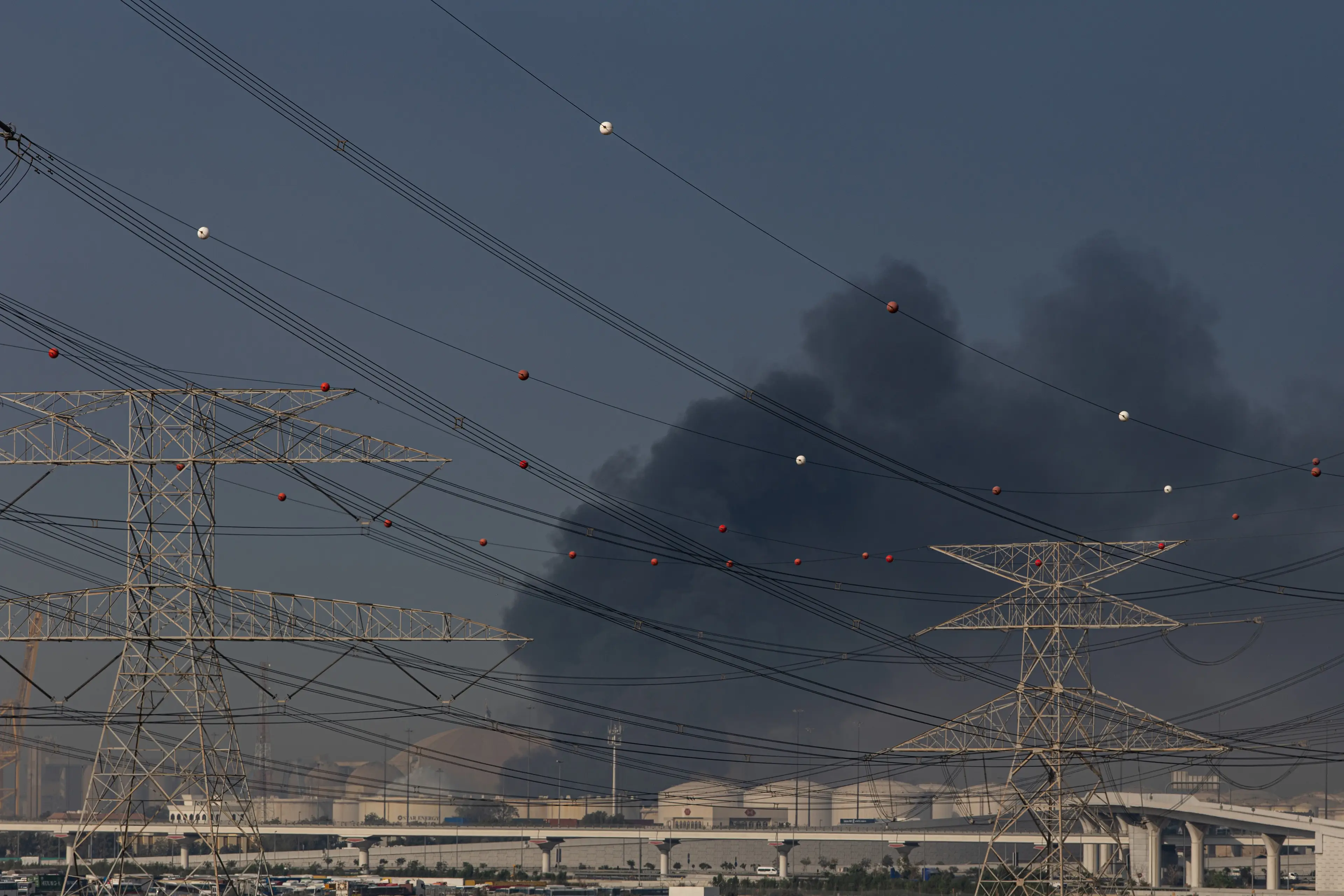
Dubai is one city that’s been subjected to attacks from Iran (Christopher Pike/Bloomberg via Getty Images)
Iran has now threatened to target recreational and tourist sites worldwide. The country’s military spokesman, Gen. Abolfazl Shekarchi, made the chilling threat on state TV.
“From now on, based on the information we have about you, even parks, recreational areas, and tourist destinations anywhere in the world will no longer be safe for you,” he said.
Elsewhere, Gen. Ali Mohammad Naeini warned (per PBS): “We are producing missiles even during war conditions, which is amazing, and there is no particular problem in stockpiling.”
Discussing when the war might end, he added: “These people expect the war to continue until the enemy is completely exhausted.”
Naeini is said to have since been killed in an airstrike, Iranian state television reported. As well as Naeini, top security official Ali Larijani has been killed.
Iran’s new leader Mojtaba Khamenei has addressed his death in a rare statement.
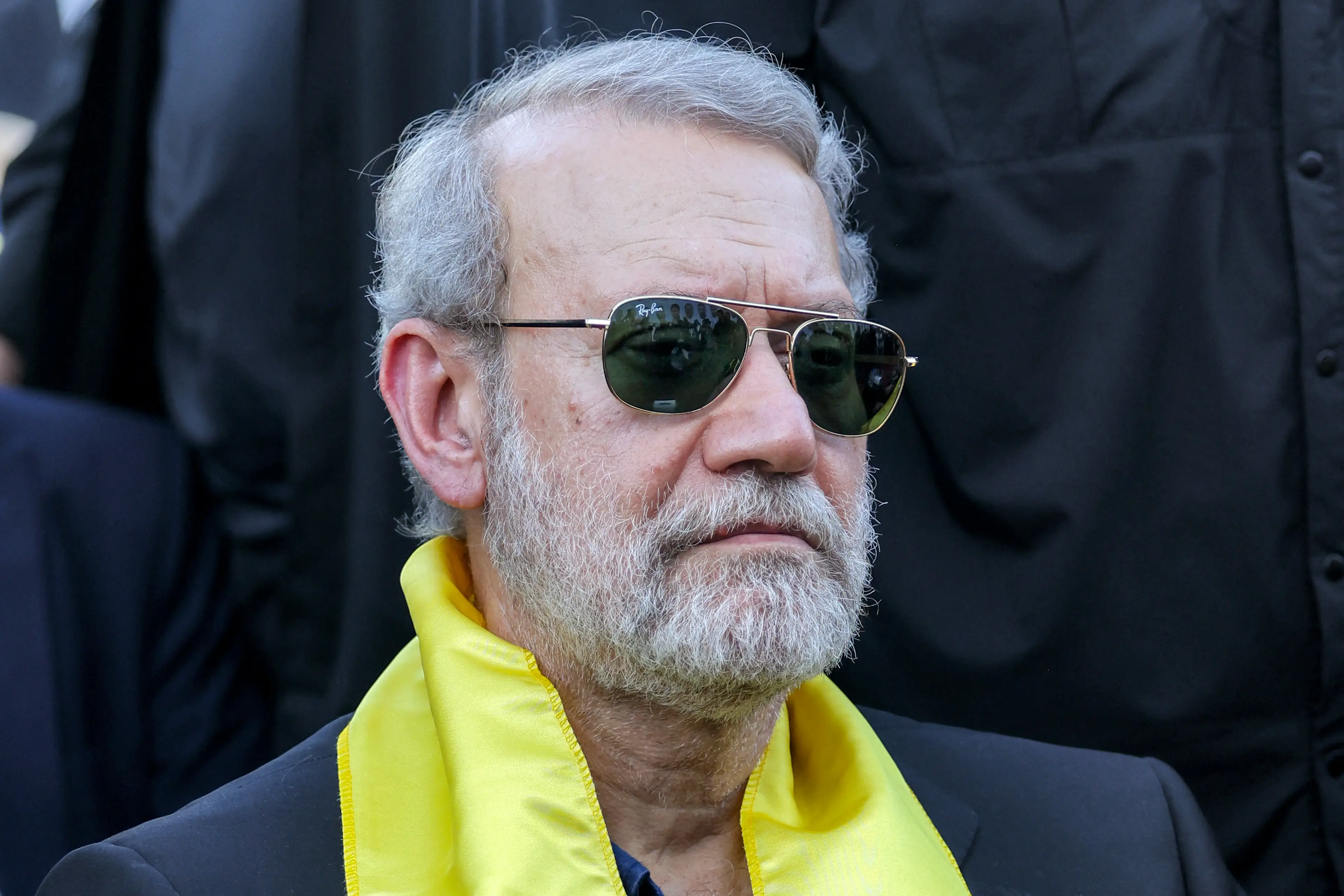
Iran’s security chief Ali Larijani was recently killed (ANWAR AMRO/AFP via Getty Images)
“Without a doubt, the assassination of such a figure attests to his importance and to the hatred that the enemies of Islam harbour toward him,” he said, France24 reported.
“Every drop of spilled blood comes at a price, and the criminal murderers of these martyrs will soon have to pay it.”
The message was published on Khamenei’s official Telegram channel. He is yet to be seen out in public, sparking speculation that he may have been seriously injured in the blast that killed his father and he’s now ‘in hiding’.
Discussing the matter with USA Today, Hadi Ghaemi, founder and executive director of the Center for Human Rights in Iran (CHRI), said that the new Iranian leader is ‘maybe being kept in hiding, which only adds more uncertainty and speculation to his whereabouts’.
Elsewhere, Yousef Pezeshkian, son and adviser to President Masoud Pezeshkian, said on his Telegram channel that Khamenei is in a ‘safe and in a secure location’, per Euro News.
Featured Image Credit: FADEL ITANI/Getty Images
Donald Trump has shared how much longer America’s war with Iran might go on for after nearly a fortnight of conflict.
America teamed up with Israel to attack Iran at the end of February, with one of its airstrikes targeting Ali Khamenei’s home which successfully killed the Iranian supreme leader.
Khamenei’s son, Mojtaba Khamenei, has since been elected as the country’s new leader.
Reportedly, Mojtaba was injured in the February 28 strikes that killed his father, Ayatollah Ali Khamenei.
Mojtaba, a secretive 56-year-old cleric, is only the third supreme leader in the history of the Islamic Republic.
He has close ties to the paramilitary Revolutionary Guard, which has been firing missiles and drones at Israel and Gulf Arab states.
Questions have remained on how long the war will go on for in light of Iran choosing a new leader, and the president has now given an update.
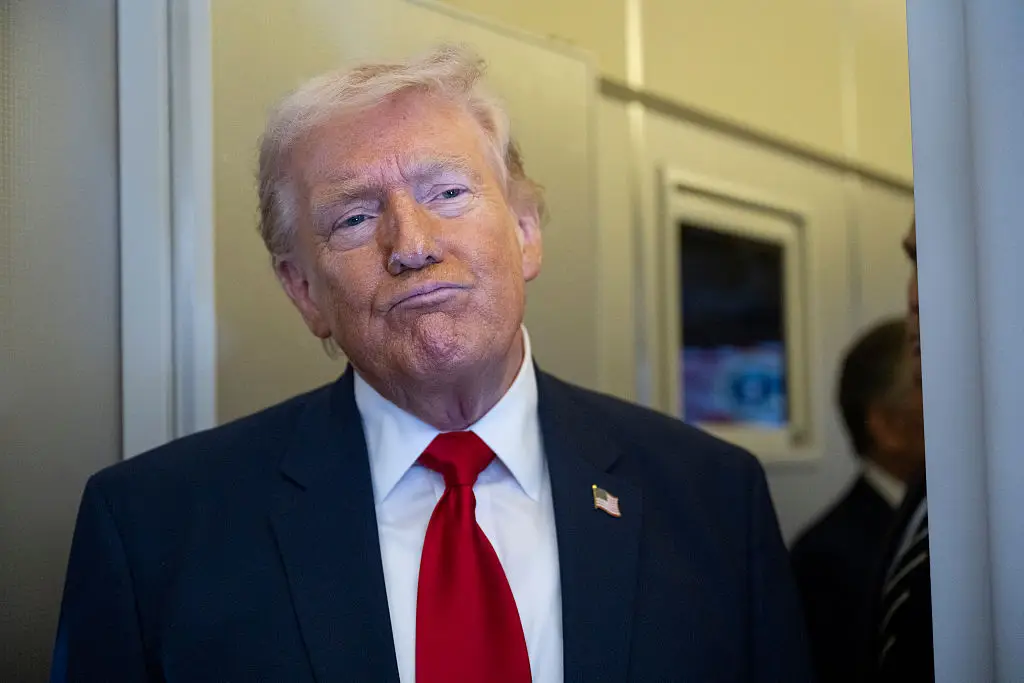
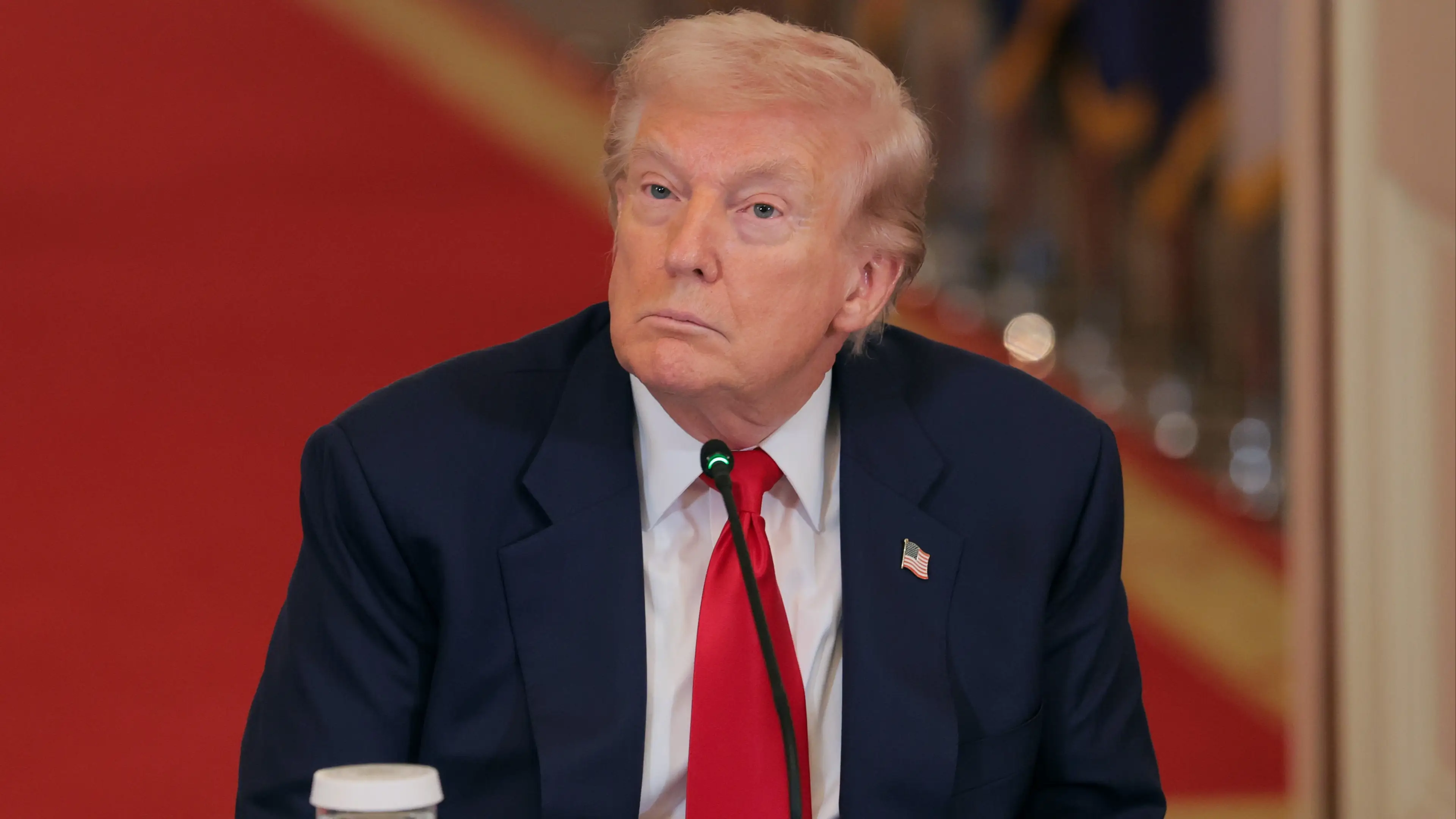
Trump has hinted that the war with Iran may soon be over (Roberto Schmidt/Getty Images)
“The war is going great,” Trump told Axios, adding: “We are way ahead of the timetable. We have done more damage than we thought possible, even in the original six-week period.”
He added that there is ‘practically nothing left to target’ in Iran as a result of their air strikes.
Trump’s comments come following another update that he recently issued, stating that the war was ‘pretty much complete’.
“They have no navy, no communications, they’ve got no Air Force. Wrapping up is all in my mind,” said the POTUS.
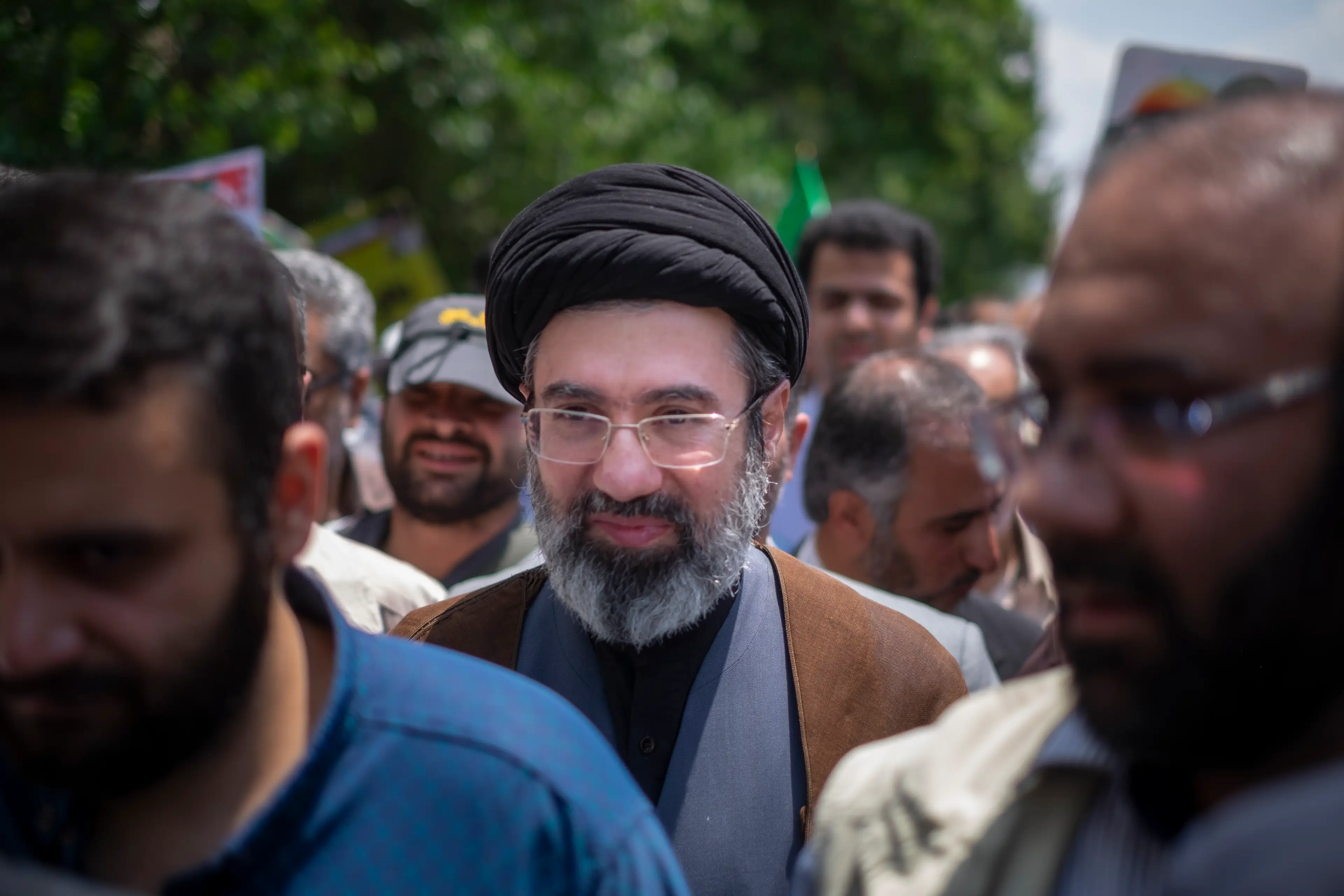
Mojtaba Khamenei is Iran’s new leader (Morteza Nikoubazl/NurPhoto via Getty Images)
The war between the US, Israel, and Iran has had a devastating impact on oil prices across the globe.
While Trump has implied that the end is nigh when it comes to the conflict, he has also hinted during a news conference that the worst fighting could still be ahead as he threatened intensified action if Iran made any ‘attempt to stop the globe’s oil supply’.
“We’re putting an end to all of this threat once and for all, and the result will be lower oil prices, oil and gas prices for American families,” Trump said.
It will seemingly be down to the US and Israel to stop the war, as it appears as if Iran will not be backing down anytime soon.
The country’s defense council said after Mojtaba’s appointment: “We will obey the commander-in-chief until the last drop of our blood.”
Elsewhere, Israeli Foreign Minister Gideon Sa’ar has said (per Reuters): “We will continue until the minute that we, and our partners, think that it is appropriate to stop.”
Tensions in the Strait of Hormuz explained
The Strait of Hormuz, located between the Persian Gulf and the Gulf of Oman, is one of the world’s most important oil shipping routes and sees around 3,000 ships sail through it per month.
It carries around a quarter of global seaborne oil trade and significant volumes of liquefied natural gas and fertilizers, according to the UN Trade & Development, meaning any form of disruption can be catastrophic for the global energy system.
And this is exactly what we are seeing. Since the joint attack on Iran by the US and Israel at the end of February, traffic through the Strait has fallen drastically, resulting in a global rise in prices of goods such as oil, energy, and food.
But this isn’t the only major conflict the Strait of Hormuz is enduring.
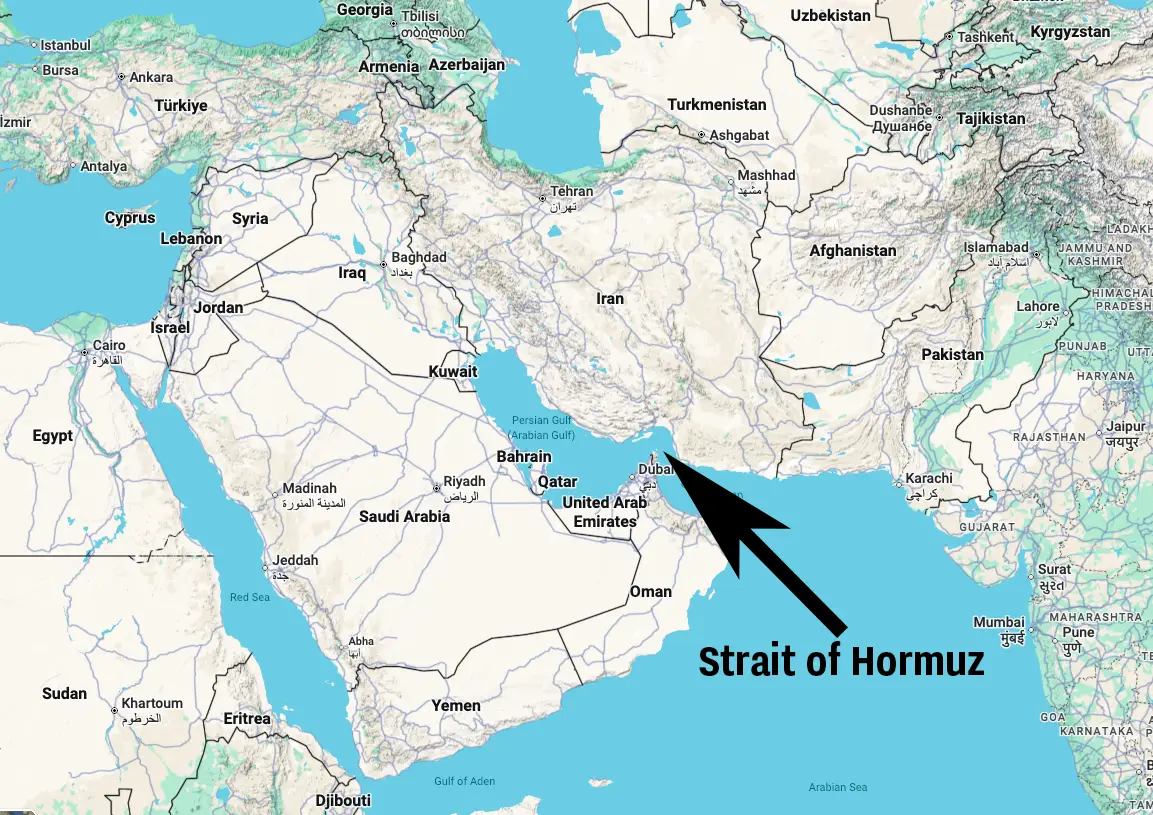
(Google Maps/UNILAD)
On March 11, maritime authorities confirmed that three cargo vessels in the strait were hit by ‘unknown projectiles’, while the US military said on the same day that it attacked and destroyed 16 Iranian mine-laying vessels near the strait amid reports that Iran began laying explosive devices in the waterway.
CNN previously reported that the Middle Eastern country had laid a few dozen mines in the Strait in the past week, and has the capability to sow hundreds more.
President Trump said in a post on Truth Social on Tuesday (March 10) that ‘if Iran has put out any mines in the Hormuz Strait, and we have no reports of them doing so, we want them removed, IMMEDIATELY!’
He added: “If for any reason mines were placed, and they are not removed forthwith, the Military consequences to Iran will be at a level never seen before.”
It is believed Iran has attacked 13 vessels operating around the Gulf since the war began, with countries such as Thailand and Japan reporting damage to ships.
Iran’s Islamic Revolutionary Guard Corps said earlier this week it will not allow even ‘one litre of oil’ to leave the region if US-Israeli attacks continue, meaning disruptions and price rises across the globe are unfortunately to be expected if the war carries on.