 By admin
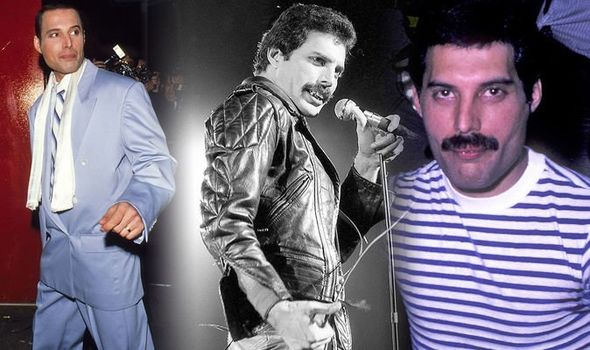
Freddie Mercury spent much of his life performing in front of millions, but during his final days, his thoughts turned to something far more personal than music or fame.
The legendary Queen singer, who died on November 24, 1991, aged just 45, remained deeply attached to the things that brought him happiness. Among them was his impressive collection of artwork, which had become an important part of his private world.
As his health deteriorated during his battle with AIDS, even moving around his home became increasingly difficult. Yet, according to a recollection from his longtime personal assistant Peter Freestone, Mercury still wanted to take one last look at his treasured paintings.
Freestone recalled that Mercury asked to be carried downstairs so he could see his artwork again. His bodyguard and driver, Terry Giddings, reportedly helped him make the journey.
Speaking to the Mirror, Freestone described being struck by the singer’s determination to enjoy the things he loved, despite his declining condition.
For Mercury, art was not simply something to display. He had developed a genuine passion for collecting beautiful and meaningful pieces, surrounding himself with objects that reflected his personality and interests.
But there was another person who remained central to his life until the very end: Mary Austin.
The pair first met in the early 1970s, before Queen became one of the world’s most successful rock bands. Their relationship quickly developed into a romance, and they became engaged in 1973.
Although their romantic relationship eventually ended, their emotional connection remained exceptionally strong. Mercury later spoke openly about how important Austin was to him, describing her as his closest friend and the person who understood him better than anyone.
He once compared their bond to a marriage, explaining that she remained the most important person in his life.
Their friendship continued through the years, and Mercury became godfather to Austin’s eldest son.
When he prepared his will, the singer left her his Kensington home, Garden Lodge, along with a significant portion of his estate.
One of the most private responsibilities Mercury entrusted to Austin concerned his ashes. He wanted them scattered in a location that would remain secret, away from public attention. Austin carried out his wishes and has never publicly disclosed where they were placed.
After his death, Austin spoke about the enormous emotional impact of losing him, describing Mercury as someone who had occupied an irreplaceable place in her life.
More than three decades later, Freddie Mercury remains one of the most celebrated performers in music history. His extraordinary voice and unforgettable stage presence continue to inspire generations.
Yet the memories shared by those closest to him reveal another side of the superstar: a man who valued art, friendship and the people who stood beside him, even when the world was watching.